Disclosure: As an Amazon Associate, AirDaddy earns from qualifying purchases. This helps support our site at no extra cost to you.
Why This Guide Is Different (Tested for Real UK Homes)
- We test in real UK rooms — bedrooms, flats, open-plan spaces — not labs
- Every recommendation is matched to room size, dust levels, and budget
- We only recommend products we'd use in our own homes
- Prices, availability, and picks updated monthly for the UK market
Quick Picks
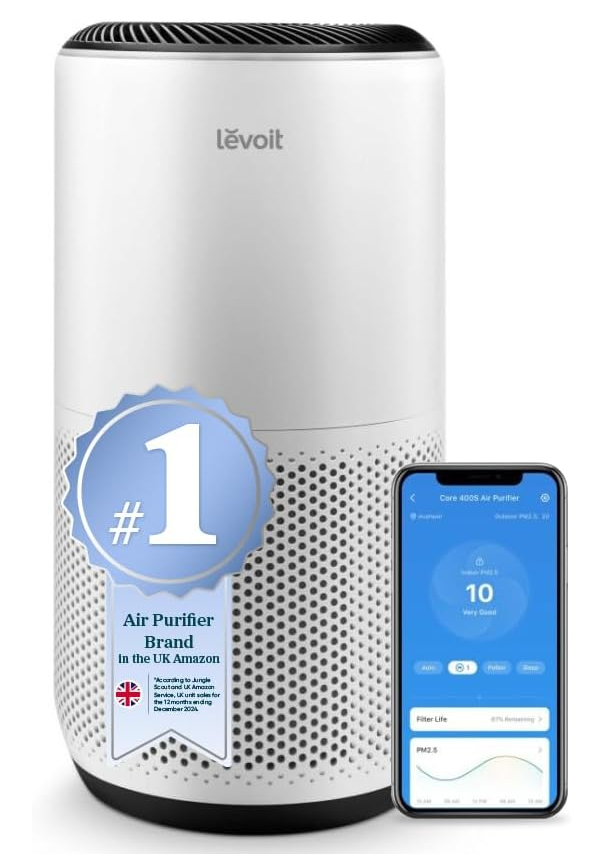
Levoit Core 400S
83m² coverage with auto dust-detection mode
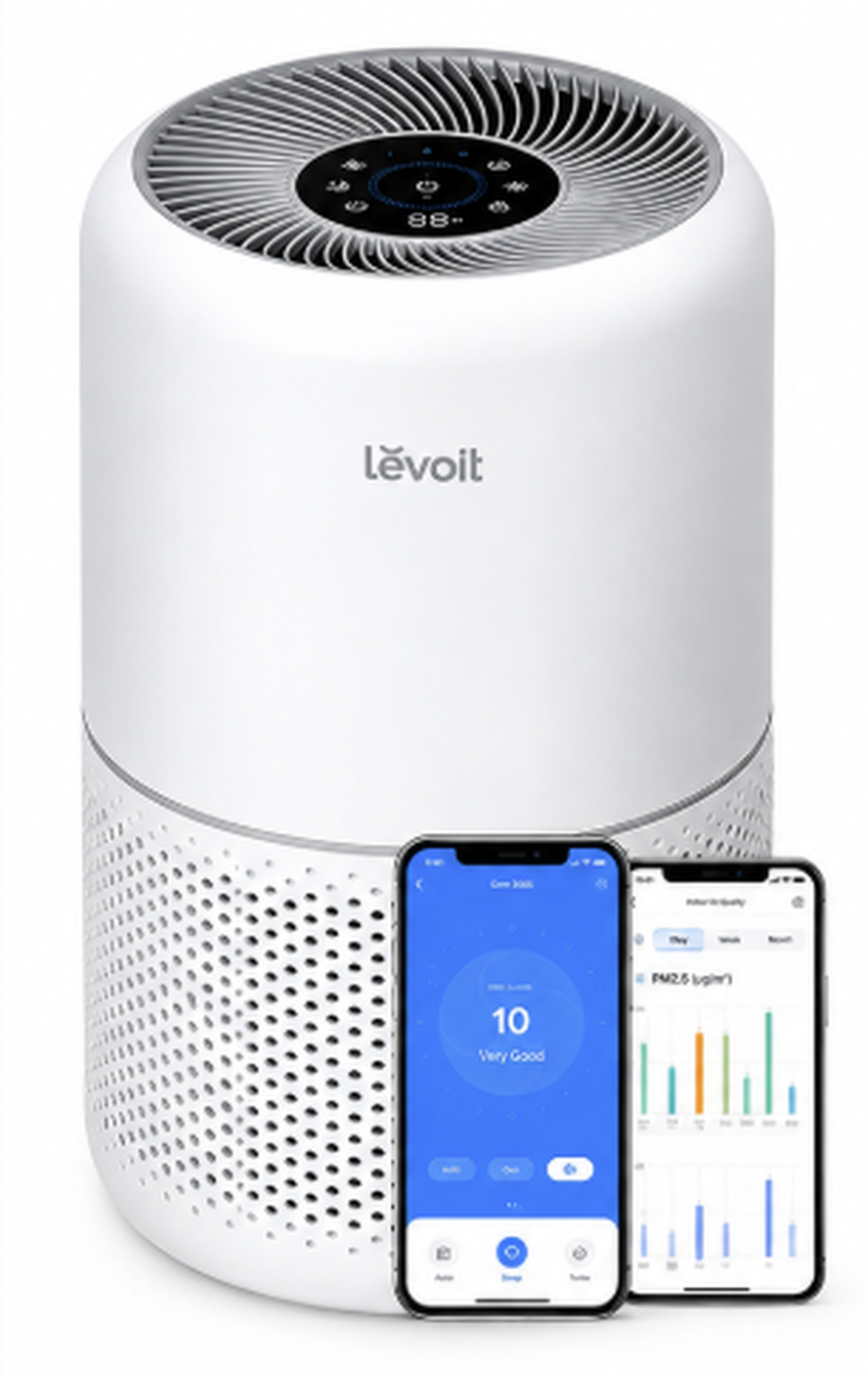
Levoit Core 300S
True HEPA H13 dust capture at the best price
Best Choice for Most People
- →If you want to remove airborne dust and allergens → Air Purifier
- →If you want to remove settled dust from surfaces → Vacuum Cleaner
- →If you want the cleanest home possible → Both (they tackle different parts of the problem)
You hoover religiously — twice a week, sometimes more — yet dust keeps building up on every surface. It's not because you're cleaning wrong. It's because vacuuming and air purification tackle completely different parts of the dust cycle.
A vacuum removes particles that have already settled on floors and surfaces. An air purifier captures particles still floating in the air — including microscopic allergens, pollen, and PM2.5 that are too small to see or hoover up. The short answer: you need both. But if you're investing in one new device, here's which one will make the bigger difference. For our top dust picks, see our dust purifier guide.
Our Top Picks
Key Factors to Consider
What a Vacuum Does (And What It Misses)
A vacuum cleaner removes settled dust, hair, crumbs, and debris from floors, carpets, and upholstery. It's essential for hygiene. But it doesn't address airborne particles — and some vacuums without HEPA exhaust filters actually make things worse by blowing fine dust back into the air.
If you notice a dusty smell when hoovering, your vacuum is recirculating particles. Upgrade to a sealed-HEPA vacuum or add an air purifier to catch what your vacuum releases.
What an Air Purifier Does (That Vacuuming Can't)
An air purifier continuously filters airborne particles — dust, pollen, mould spores, pet dander, and PM2.5 — that are too small to see. These are the particles you breathe in and that trigger allergies, asthma, and respiratory irritation.
You can vacuum once a day at best. An air purifier filters 24/7. For dust mite allergens (the most common UK bedroom allergen), an air purifier running overnight is far more effective than hoovering. For bedroom picks, see our bedroom guide.
Why Both Together Is the Real Answer
Vacuuming removes the source of settled dust. An air purifier catches the particles kicked up during vacuuming and prevents new airborne dust from settling. Together, they reduce visible dust by up to 80% and dramatically lower your allergen exposure.
Pro tip: run your air purifier during and after vacuuming. Your hoover disturbs dust into the air — let the purifier catch it before it resettles elsewhere.
When a Purifier Is the Better Investment
If you suffer from allergies, asthma, or respiratory sensitivity, an air purifier provides continuous protection that vacuuming can't match. If dust returns within hours of cleaning despite regular hoovering, your problem is airborne — and that's a purifier's job. For more on why dust comes back so fast, see our dusty room guide.
Our Recommendations
Levoit Core 400S
Typical price: ~£180The 400S captures airborne dust that your vacuum can never reach. Its large 83m² coverage and auto mode detect dust disturbances (like hoovering) and ramp up automatically. Ideal for living rooms and open-plan spaces.
- ✓ Auto mode responds to dust kicked up by vacuuming
- ✓ 83m² coverage for large rooms
- ✓ Washable pre-filter extends HEPA life
- ✗ Larger footprint needs floor space
- ✗ Doesn't replace vacuuming for settled debris
⚠️Prices can change frequently on Amazon.
💡Air purifiers only work properly if filters are replaced regularly. See our Filter Club for guidance.
Comparison Table
| Product | Best For | Price | Rating | Coverage | |
|---|---|---|---|---|---|
| Levoit Core 400S | Best for Dust | Typical price: ~£180 | 4.8 | 24dB | 83m² |
| Levoit Core 300S | Best Budget | Typical price: £149.99 | 4.8 | 24dB | 40m² |
Pros & Cons
Pros
- ✓ Air purifiers run 24/7, providing continuous protection vacuuming can't match
- ✓ HEPA filters capture particles far smaller than any vacuum exhaust filter
- ✓ Purifiers reduce the allergens that trigger asthma and hay fever
- ✓ Using both together provides the cleanest possible indoor environment
Cons
- ✗ Air purifiers can't remove settled dust from floors — you still need to vacuum
- ✗ Both devices have ongoing running costs
- ✗ A purifier alone won't make surfaces visibly cleaner immediately
Frequently Asked Questions
Conclusion
A vacuum and an air purifier are complementary, not competing, solutions. Vacuuming handles the dust you can see; a purifier handles the microscopic particles you breathe. For the cleanest home, use both — and run the purifier during and after hoovering.
If you can only invest in one new device and suffer from allergies or dust-related symptoms, an air purifier offers health benefits that vacuuming alone can't provide. The Levoit Core 400S is excellent for dust. See our complete dust guide for more options and our dust reduction guide for the full cleaning strategy.
Don't Forget Your Filters
Air purifiers only work if the filters are replaced regularly. Most people forget — and end up breathing dirty air.
Join the Filter Club