Disclosure: As an Amazon Associate, AirDaddy earns from qualifying purchases. This helps support our site at no extra cost to you.
Quick Picks
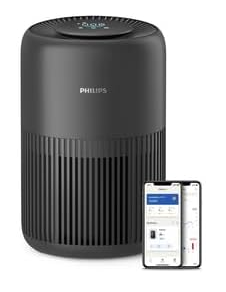
Philips Air Purifier 900 Series
Allergy UK certified, ultra-quiet 17dB
You sneeze indoors. Your nose runs the moment you get home. Your eyes itch in bed. You've tried antihistamines, but the symptoms keep coming back. Sound familiar?
If indoor allergies are ruining your comfort, a HEPA air purifier can help — and the evidence is strong. But it depends on which type you buy and how you use it. Here's the honest breakdown: what works, what doesn't, and what to buy first.
Our Top Picks
Key Factors to Consider
Signs Airborne Allergens Are the Problem
Before investing in a purifier, check if these apply to you:
• Sneezing or congestion that's worse indoors than outdoors • Symptoms worse in the morning (dust mites in bedding) • Allergies worse during pollen season even with windows shut • Pet-related symptoms — itchy eyes, runny nose around animals • Symptoms improve when you stay in a different house or hotel
If you ticked two or more, airborne allergens in your home are almost certainly the trigger — and a HEPA purifier will help.
What the Research Actually Shows
A 2018 review in the Journal of Allergy and Clinical Immunology found HEPA filtration reduced airborne particle concentrations by 50–70%, with corresponding reductions in allergy symptoms and medication use.
The evidence is strongest for pollen, pet dander, and dust mite allergens. It's good for mould spores too. The key finding: air purifiers work best as part of a multi-step approach — combining filtration with source control delivers the best results.
Hay Fever & Pollen
Pollen grains (10–100 microns) are easily captured by HEPA filters at near-100% efficiency. Running a purifier in your bedroom during pollen season — with windows closed — creates a pollen-free sleeping environment.
Studies show indoor pollen levels can drop by up to 80% with continuous HEPA purification. For hay fever sufferers, this can be the difference between miserable nights and restful sleep.
Dust Mite Allergies
Dust mite allergens become airborne when you disturb bedding, vacuum, or walk on carpets. A HEPA purifier captures them before they're inhaled.
But here's the important part: your mattress and bedding are the primary source. A purifier helps enormously, but combine it with allergen-proof mattress covers and weekly 60°C bedding washes for best results. See our dust purifier guide for targeted picks.
Pet Allergies
Pet allergens (Fel d 1 from cats, Can f 1 from dogs) are extremely small — some as tiny as 2.5 microns — and stay airborne for hours. HEPA purifiers are highly effective at capturing them.
For pet allergy sufferers: run a purifier in the rooms where you spend the most time, and keep pets out of the bedroom. See our pet air purifier guide for the best models.
What Air Purifiers Can't Do for Allergies
Honest expectations matter:
• Purifiers only handle airborne particles — not allergens embedded in carpets, bedding, or soft furnishings • They don't address the source (dust mites in mattresses, mould on walls, pet dander on furniture) • They work best with windows closed — open windows flood the room with pollen and outdoor particles
A purifier is one tool in your allergy toolkit — but it's the most effective single tool for airborne allergen reduction.
Our Recommendations
Philips Air Purifier 900 Series
Typical price: ~£180Allergy UK certified and whisper-quiet at 17dB — the Philips Air Purifier 900 Series is specifically designed for allergy sufferers. Its NanoProtect HEPA filtration captures 99.97% of allergens, and the ultra-quiet operation means it won't disrupt sleep.
- ✓ Allergy UK Seal of Approval
- ✓ 16dB sleep mode — virtually silent
- ✓ Real-time air quality feedback
- ✗ 36m² coverage — sized for bedrooms
- ✗ Filter replacements ~£40 every 12 months
⚠️Prices can change frequently on Amazon.
💡Air purifiers only work properly if filters are replaced regularly. See our Filter Club for guidance.
Comparison Table
| Product | Best For | Price | Rating | Coverage | |
|---|---|---|---|---|---|
| Philips Air Purifier 900 Series | Best for Allergies | Typical price: ~£180 | 4.7 | 17dB | 36m² |
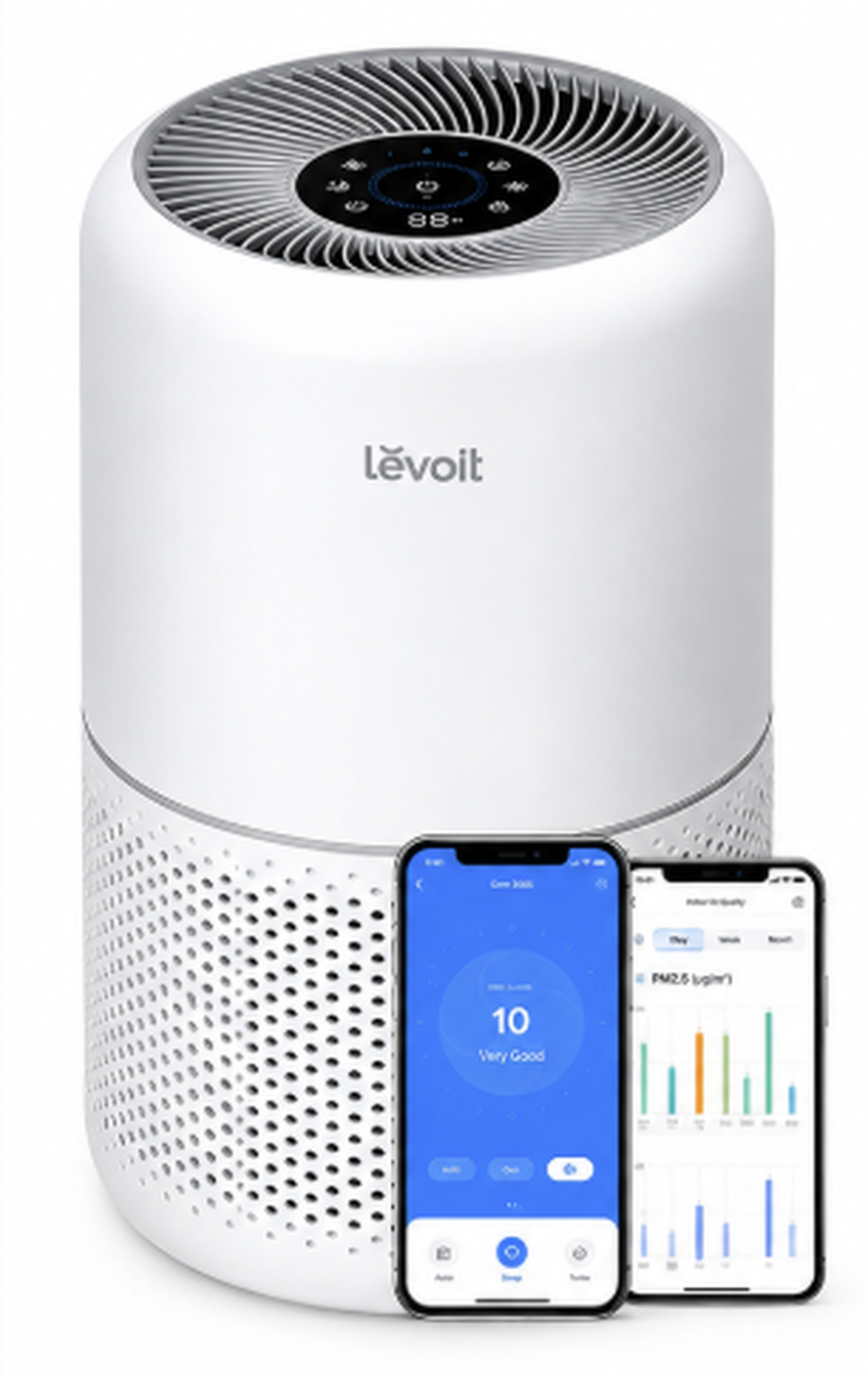
| Levoit Core 300S | Best Value | Typical price: £149.99 | 4.8 | 24dB | 40m² |
Pros & Cons
Pros
- ✓ Strong scientific evidence for reducing airborne allergens
- ✓ Particularly effective for pollen and pet dander
- ✓ Creates a clean-air sleeping environment
- ✓ Reduces symptom severity and medication reliance
- ✓ Benefits noticeable within 1–3 days of continuous use
Cons
- ✗ Won't eliminate allergens at their source (mattresses, carpets)
- ✗ Must be combined with cleaning and source control
- ✗ Effectiveness reduced with open windows
- ✗ Must be true HEPA H13 — cheaper filters don't deliver
Frequently Asked Questions
Conclusion
The evidence is clear: HEPA air purifiers meaningfully reduce airborne allergens and provide real relief for hay fever, dust mite, pet, and mould allergies. They're most effective as part of a combined approach — but they're the single most impactful tool for what's in the air.
For allergy sufferers, the Philips Air Purifier 900 Series is our top pick (Allergy UK certified, whisper-quiet). For best value, the Levoit Core 300S delivers the same core HEPA performance at a lower price. For full recommendations, see our allergy air purifier guide.
Don't Forget Your Filters
Air purifiers only work if the filters are replaced regularly. Most people forget — and end up breathing dirty air.
Join the Filter Club