Disclosure: As an Amazon Associate, AirDaddy earns from qualifying purchases. This helps support our site at no extra cost to you.
Quick Picks
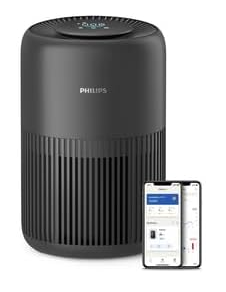
Philips Air Purifier 900 Series
17dB sleep mode — virtually silent
You wake up congested. Your throat is dry. You didn't sleep well — again. And you can't figure out why.
The answer is almost always your bedroom air quality. Dust mites in bedding, CO2 building up to 2,000+ ppm overnight, stale air with nowhere to go, and PM2.5 leaking in from outside — these silently wreck your sleep every single night. The good news: every fix below is straightforward and most kick in within 2–3 nights. If you're starting from scratch, also see best air purifiers for bedrooms and why your room gets dusty so fast — both feed directly into bedroom air quality.
Our Top Picks
Key Factors to Consider
Signs Your Bedroom Air Is the Problem
Check if any of these sound familiar:
• Waking up with a blocked nose or dry throat • Morning headaches or brain fog • Restless sleep despite being tired • Snoring that's worse at home than away • Allergy symptoms strongest in the morning • Dust on surfaces within a day of cleaning • Stuffy room even with the door open
If you ticked two or more, your bedroom air quality is actively ruining your sleep. The good news: every fix below is straightforward.
1. Ventilate — The Single Biggest Fix
In a sealed bedroom, CO2 levels can rise from 400 ppm to over 2,000 ppm overnight — a level linked to impaired sleep quality, morning grogginess, and reduced cognitive function.
If you can, sleep with a window slightly open or trickle vents open. Even a small gap is enough to prevent CO2 buildup. In winter, open the window for 10–15 minutes before bed to pre-ventilate.
If noise or security prevent this, keep the bedroom door open to allow air circulation from the rest of the house.
2. Control Humidity (40–60%)
Below 40% — mucous membranes dry out, causing sore throats and irritation. Above 60% — dust mites thrive and mould grows. Both wreck sleep.
A hygrometer (from £10) tells you exactly where you stand. Common UK problems: too humid from drying clothes indoors (a single load releases up to 2 litres of moisture) and winter dryness from central heating.
3. Reduce Allergens at the Source
Your mattress and bedding are ground zero for dust mite allergens. Practical fixes:
• Wash bedding at 60°C weekly — kills dust mites • Use allergen-proof mattress and pillow encasements • Vacuum the bedroom with a HEPA-filter vacuum regularly • Swap heavy curtains for blinds, thick rugs for hard flooring • Keep pets out of the bedroom if possible
For more on breaking the dust cycle, see our guide to reducing dust naturally.
4. Use a Quiet Air Purifier (The Biggest Upgrade)
A bedroom HEPA purifier continuously removes dust, allergens, pollen, and PM2.5 while you sleep. It's the single most impactful upgrade you can make for bedroom air quality.
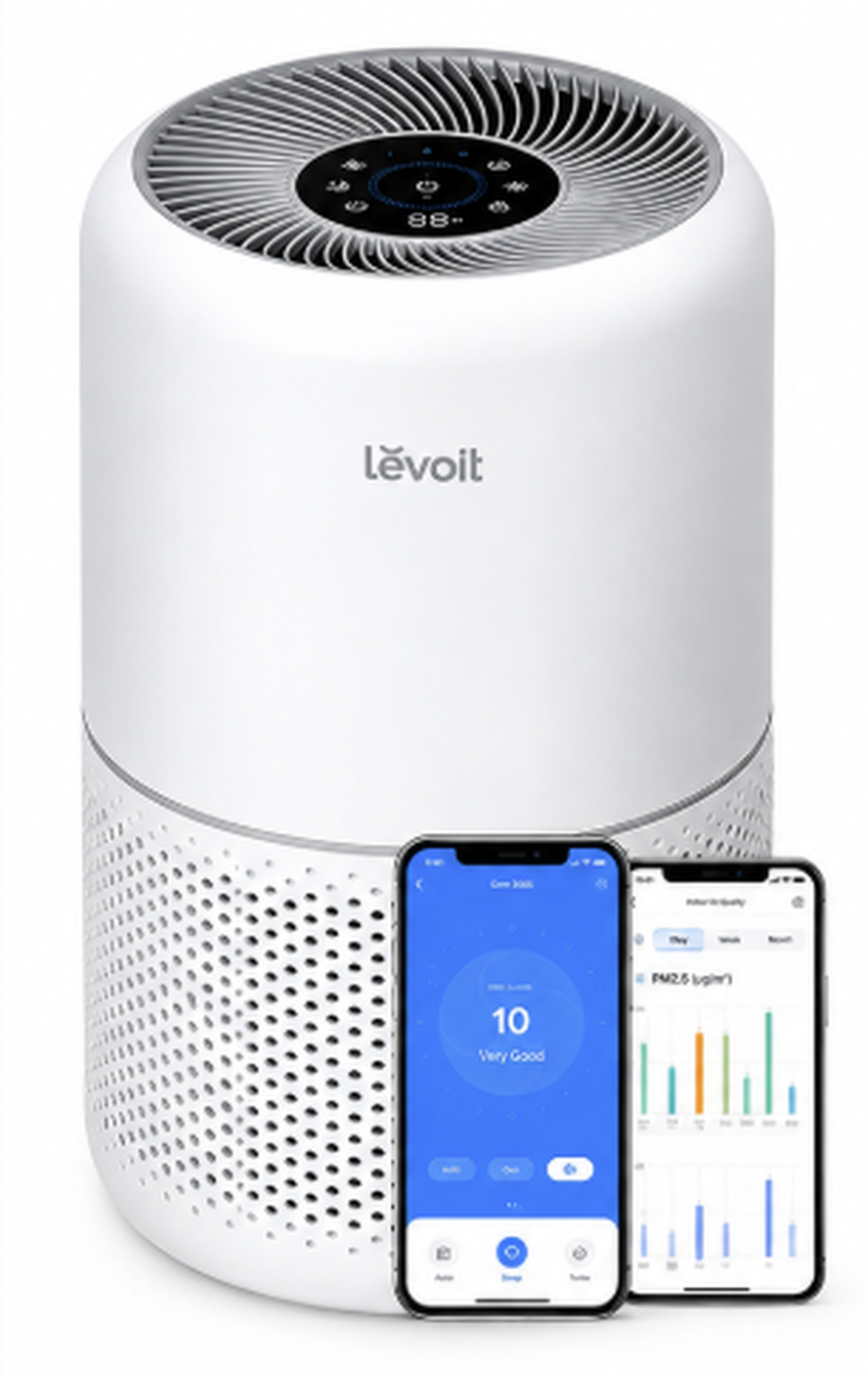
The critical factor for bedrooms: noise. Look for models with dedicated sleep modes below 25dB. The Philips Air Purifier 900 Series runs at just 17dB — virtually silent. The Levoit Core 300S is 24dB and excellent value at ~£150.
Position the purifier so clean air flows toward your bed, and run it continuously — not just at bedtime. For our full bedroom picks, see the best bedroom air purifier guide.
5. Remove VOC Sources
New furniture, mattresses, and bedding off-gas VOCs for weeks. Air fresheners, scented candles, and plug-in diffusers add chemical pollutants to the very room where you need the cleanest air.
Remove synthetic fragrances from the bedroom entirely. Choose low-VOC paints if decorating. Let new furniture air out elsewhere before bringing it into your sleeping space.
What Most People Get Wrong About Bedroom Air Quality
Most people who 'try everything' and still wake up tired are making one of these mistakes:
• Sealing the bedroom completely: Closed window + closed door + no trickle vents = CO2 above 2,000 ppm by 4am. You need some ventilation, even in winter. • Buying a loud purifier and turning it off at night: A purifier that's switched off does nothing while you sleep. Pick one rated under 25dB on sleep mode and run it 24/7 — see best bedroom air purifier picks. • Ignoring the mattress and pillows: Mattresses double in weight from skin and dust mites over 8 years. Vacuum monthly with a HEPA-sealed unit and replace pillows every 1–2 years. • Using scented candles or plug-in air fresheners: These add VOCs and ultrafine particles right where you breathe deepest. Remove them entirely. • Treating bedroom dust as a separate problem: It isn't — it's the same airborne PM2.5 that ruins your sleep. Fixing one fixes the other. See why your room gets dusty.
Practical tip you can do tonight: Crack the bedroom window 2cm before bed, switch on a HEPA purifier on sleep mode, and put your phone face-down (its screen lights up dust particles, but more importantly disrupts sleep). Three free changes — most people notice the difference by morning two.
Our Recommendations
Philips Air Purifier 900 Series
Typical price: ~£180At 17dB in sleep mode, the Philips Air Purifier 900 Series is virtually silent — you genuinely won't hear it. Allergy UK certified filtration captures 99.97% of allergens while you sleep, with auto-dimming display that won't disturb you.
- ✓ 16dB — the quietest purifier we've tested
- ✓ Allergy UK Seal of Approval
- ✓ Auto-dimming display for darkness
- ✗ 36m² coverage — sized for bedrooms only
- ✗ No smart app (manual controls)
⚠️Prices can change frequently on Amazon.
💡Air purifiers only work properly if filters are replaced regularly. See our Filter Club for guidance.
Comparison Table
| Product | Best For | Price | Rating | Noise | |
|---|---|---|---|---|---|
| Philips Air Purifier 900 Series | Quietest for Sleep | Typical price: ~£180 | 4.7 | 17dB | 36m² |
| Levoit Core 300S | Best Value | Typical price: £149.99 | 4.8 | 24dB | 40m² |
Frequently Asked Questions
Conclusion
Your bedroom air quality directly controls your sleep quality — and improving it is simpler than you think. Start with ventilation, manage humidity, reduce allergen sources, and add a quiet HEPA purifier.
For the quietest option, the Philips Air Purifier 900 Series (17dB) is unbeatable — see our full quietest air purifiers UK guide for more sub-20dB picks. For best value, the Levoit Core 300S (~£150) is excellent. Sceptical it'll make a difference? Read whether air purifiers actually work for the evidence. If asthma or night-time wheezing is part of the picture, our asthma purifier guide covers ozone-free models safe for continuous bedroom use. For our complete bedroom recommendations, explore the bedroom air purifier guide, and check UK air purifier running costs before buying.
Don't Forget Your Filters
Air purifiers only work if the filters are replaced regularly. Most people forget — and end up breathing dirty air.
Join the Filter Club