Disclosure: As an Amazon Associate, AirDaddy earns from qualifying purchases. This helps support our site at no extra cost to you.
Why This Guide Is Different (Tested for Real UK Homes)
- We test in real UK rooms — bedrooms, flats, open-plan spaces — not labs
- Every recommendation is matched to room size, dust levels, and budget
- We only recommend products we'd use in our own homes
- Prices, availability, and picks updated monthly for the UK market
Quick Picks
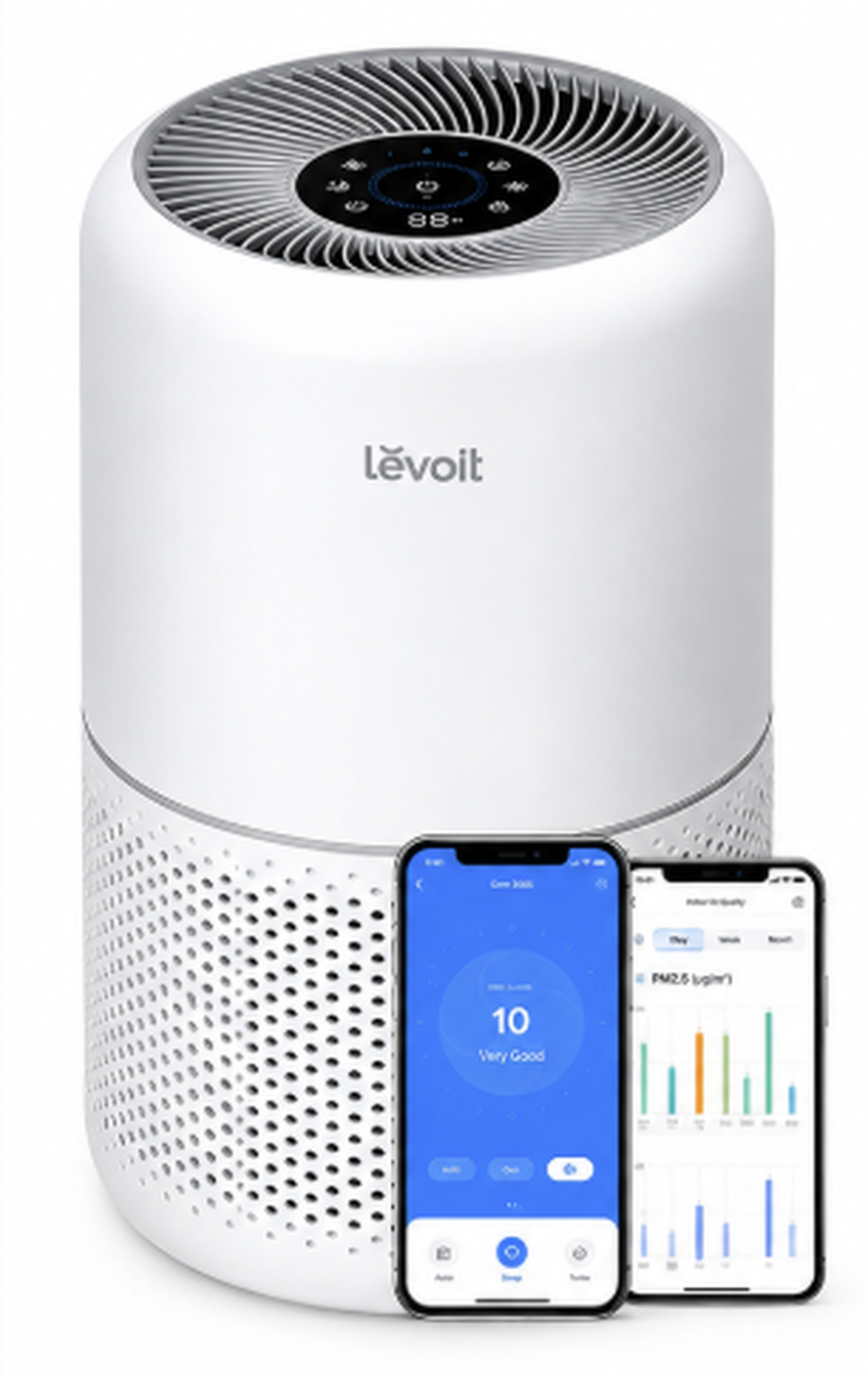
Levoit Core 300S
Cleans air without introducing outdoor pollutants
Philips Air Purifier 900 Series
Keeps pollen out while purifying indoor air
Best Choice for Most People
- →If you live near a busy road or in a city → Air Purifier (keep windows closed)
- →If it's pollen season and you have hay fever → Air Purifier (windows make it worse)
- →If you live rurally with clean outdoor air → Open window + purifier for best results
Opening a window feels like the natural way to 'freshen up' a stuffy room. But for millions of UK homes — especially those near roads, in cities, or during hay fever season — opening windows actually makes your indoor air worse by bringing in PM2.5, NO₂, pollen, and traffic fumes.
An air purifier cleans the air already in your room without introducing outdoor pollutants. But it doesn't reduce CO₂. So which approach is better? The answer depends on where you live and what season it is. Here's the full breakdown — backed by UK air quality data. For purifier recommendations, see our UK buying guide.
Our Top Picks
Key Factors to Consider
When Opening Windows Makes Things Worse
In urban areas, near busy roads, during pollen season, in winter, and on high-pollution days (check DEFRA's daily forecast), opening windows introduces PM2.5, NO₂, pollen, and particulates. UK cities regularly exceed WHO air quality guidelines — 'outside' doesn't always mean 'fresh'.
If you notice more dust on surfaces when windows are open, or your hay fever worsens indoors, outdoor pollutants are a major contributor. A purifier lets you keep windows closed while maintaining clean air.
When Opening Windows Helps
Ventilation is genuinely useful when cooking (to remove steam and grease fumes), after using chemical cleaners or spray products, and when CO₂ levels are high from multiple people in a room. In rural areas with low traffic, fresh air through windows can improve indoor air quality.
The key is brief, purposeful ventilation — not leaving windows open all day. Five to ten minutes creates a full air exchange in most rooms.
What an Air Purifier Does Differently
A HEPA air purifier removes particles from indoor air without exchanging air with outdoors. This means cleaner air without pollen, traffic fumes, or cold draughts — and without losing heat in winter (a significant cost saving). For allergy sufferers, this is a game-changer during pollen season. See our allergy guide.
The Best Strategy: Combine Both
The ideal approach for most UK homes: brief ventilation (5–10 minutes, 2–3 times daily) to refresh CO₂ levels, followed by closed windows and continuous air purification. You get fresh oxygen intake with rapid pollutant removal afterwards.
This is especially effective in bedrooms — ventilate before sleep, then close windows and let the purifier clean the air all night. For bedroom models, see our bedroom guide.
Our Recommendations
Levoit Core 300S
Typical price: ~£150The 300S lets you keep windows closed and still enjoy clean air. Its HEPA H13 filter captures 99.97% of particles without introducing outdoor pollutants. Smart scheduling means you can boost filtration after ventilation periods.
- ✓ Clean air without outdoor pollutants entering
- ✓ Smart scheduling for post-ventilation boost
- ✓ Energy efficient for continuous 24/7 use
- ✗ Doesn't reduce CO₂ — occasional ventilation still beneficial
- ✗ Filter replacement needed every 6–8 months
⚠️Prices can change frequently on Amazon.
💡Air purifiers only work properly if filters are replaced regularly. See our Filter Club for guidance.
Comparison Table
| Product | Best For | Price | Rating | Coverage | |
|---|---|---|---|---|---|
| Levoit Core 300S | Best Overall | Typical price: £149.99 | 4.8 | 24dB | 40m² |
| Philips Air Purifier 900 Series | Best for Allergy Season | Typical price: ~£180 | 4.7 | 17dB | 36m² |
Pros & Cons
Pros
- ✓ Air purifiers clean indoor air without introducing outdoor pollution
- ✓ No heat loss in winter — saves energy compared to open windows
- ✓ Continuous filtration vs occasional ventilation
- ✓ Essential during pollen season for hay fever sufferers
Cons
- ✗ Air purifiers don't reduce CO₂ — brief ventilation is still beneficial
- ✗ Ongoing filter costs vs free window ventilation
- ✗ Can't replace the psychological feeling of 'fresh air'
Frequently Asked Questions
Conclusion
For most UK homes — especially in cities, near roads, or during pollen season — an air purifier provides cleaner air than opening windows. It removes particles without introducing new outdoor pollutants and works 24/7 without losing heat.
The ideal approach combines both: brief ventilation to refresh CO₂, then closed windows with continuous purification. The Levoit Core 300S is excellent for this strategy. For allergy season, the Philips Air Purifier 900 Series adds certified allergen removal. See our full UK guide for more options.
Don't Forget Your Filters
Air purifiers only work if the filters are replaced regularly. Most people forget — and end up breathing dirty air.
Join the Filter Club