Disclosure: As an Amazon Associate, AirDaddy earns from qualifying purchases. This helps support our site at no extra cost to you.
Why This Guide Is Different (Tested for Real UK Homes)
- We test in real UK rooms — bedrooms, flats, open-plan spaces — not labs
- Every recommendation is matched to room size, dust levels, and budget
- We only recommend products we'd use in our own homes
- Prices, availability, and picks updated monthly for the UK market
Quick Picks
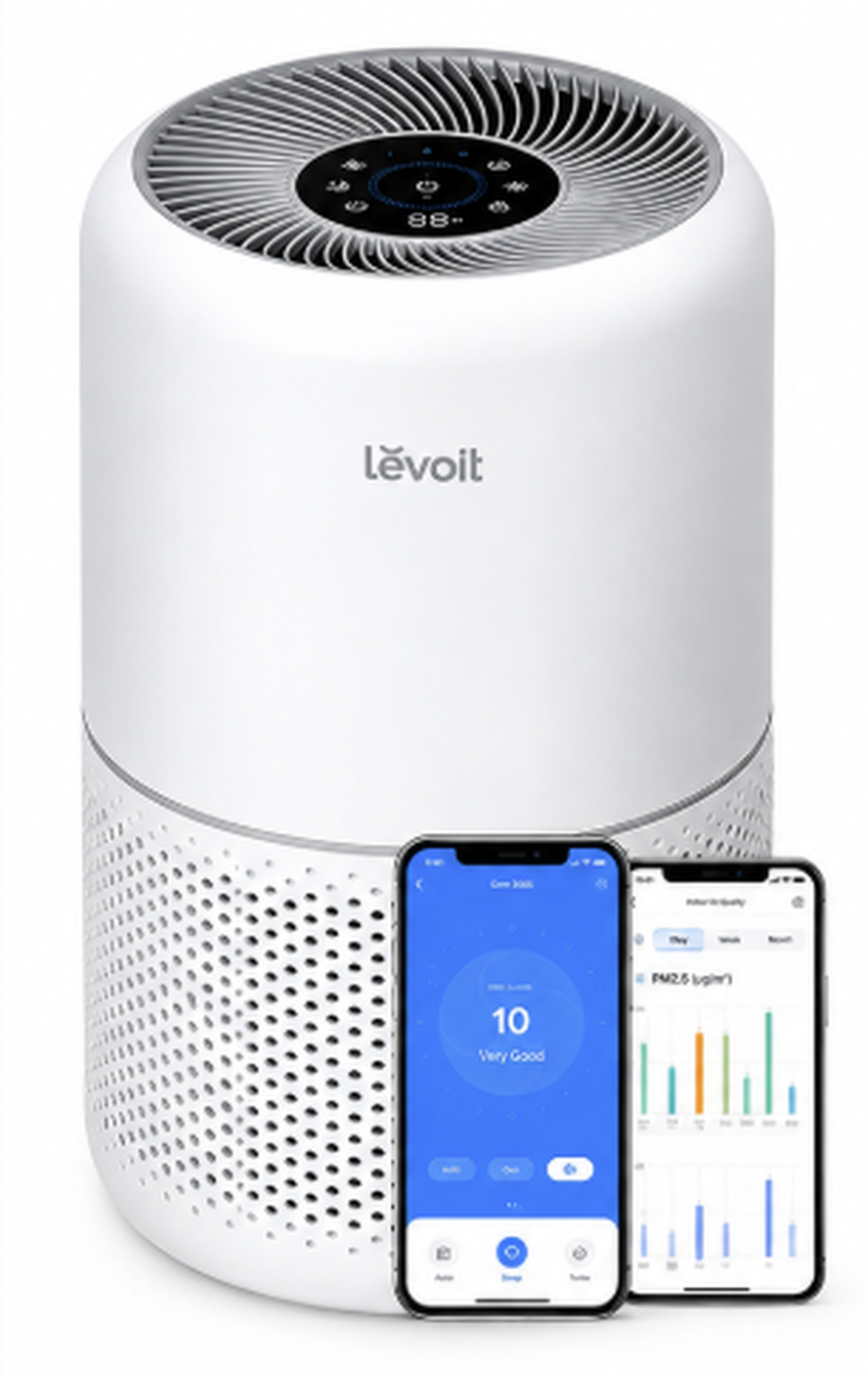
Levoit Core 300S
Removes 99.97% of particles — no sunlight needed
Best Choice for Most People
- →If you want measurable air quality improvement → Air Purifier
- →If you want mood, aesthetics, and humidity → Plants (they're great for wellbeing)
- →If you think a few plants will clean your air → Think again — see the science below
The idea that houseplants clean indoor air became mainstream after a 1989 NASA study. It's one of the most persistent myths in home wellness. But that research was conducted in sealed laboratory chambers — nothing like a real home with open doors, ventilation, and continuous pollutant generation.
A 2019 meta-analysis published in the Journal of Exposure Science found that you'd need 100–700 plants per 10m² to achieve what a single HEPA air purifier does in minutes. Plants are wonderful for mood, aesthetics, and wellbeing — but for genuinely cleaning your air, the science is clear. For effective air cleaning, see our UK purifier guide.
Our Top Picks
Key Factors to Consider
The NASA Study: What It Actually Showed
The 1989 NASA study found that some plants absorb VOCs in sealed laboratory chambers over extended periods. The study was designed for space station life-support systems — not real homes with air exchange, cooking, cleaning products, and people.
A 2019 peer-reviewed meta-analysis confirmed that plants remove VOCs at rates 100–1,000x too slow to make any measurable difference in a real room with normal ventilation. The myth persists because it feels intuitively right — but the data doesn't support it.
What Plants Actually Do (And It's Still Valuable)
Plants produce oxygen, increase humidity slightly, reduce stress and anxiety (proven in multiple studies), and improve mood and productivity. Some species absorb trace amounts of certain VOCs. They make your home feel better — they just don't clean your air in any meaningful way.
Keep your plants. Enjoy them. But don't rely on them for air quality. For actual pollutant removal, see our VOC guide.
What a HEPA Air Purifier Does
A HEPA H13 air purifier captures 99.97% of airborne particles at 0.3 microns — including all common allergens, dust, mould spores, pollen, and PM2.5. It cycles your entire room's air 4–5 times per hour. No amount of plants can match this.
For dust-specific models, see our dust guide. For allergy relief, see our allergy guide.
The Best Approach: Plants + Purifier
Enjoy plants for their psychological and aesthetic benefits. Use an air purifier for actual air quality improvement. They complement each other perfectly — but plants are not a substitute for filtration. This is one case where the science is unambiguous.
Our Recommendations
Levoit Core 300S
Typical price: ~£150The 300S does in minutes what hundreds of houseplants can't do in a day — it removes 99.97% of airborne particles with true HEPA H13 filtration. Smart app control and a quiet sleep mode make it a set-and-forget solution for every room.
- ✓ Removes 99.97% of airborne particles instantly
- ✓ Works immediately — no growing period needed
- ✓ 40m² coverage for typical UK rooms
- ✗ Requires filter replacement every 6–8 months
- ✗ Doesn't produce oxygen like plants do
⚠️Prices can change frequently on Amazon.
💡Air purifiers only work properly if filters are replaced regularly. See our Filter Club for guidance.
Comparison Table
| Product | Best For | Price | Rating | Coverage | |
|---|---|---|---|---|---|
| Levoit Core 300S | Best Overall | Typical price: £149.99 | 4.8 | 24dB | 40m² |
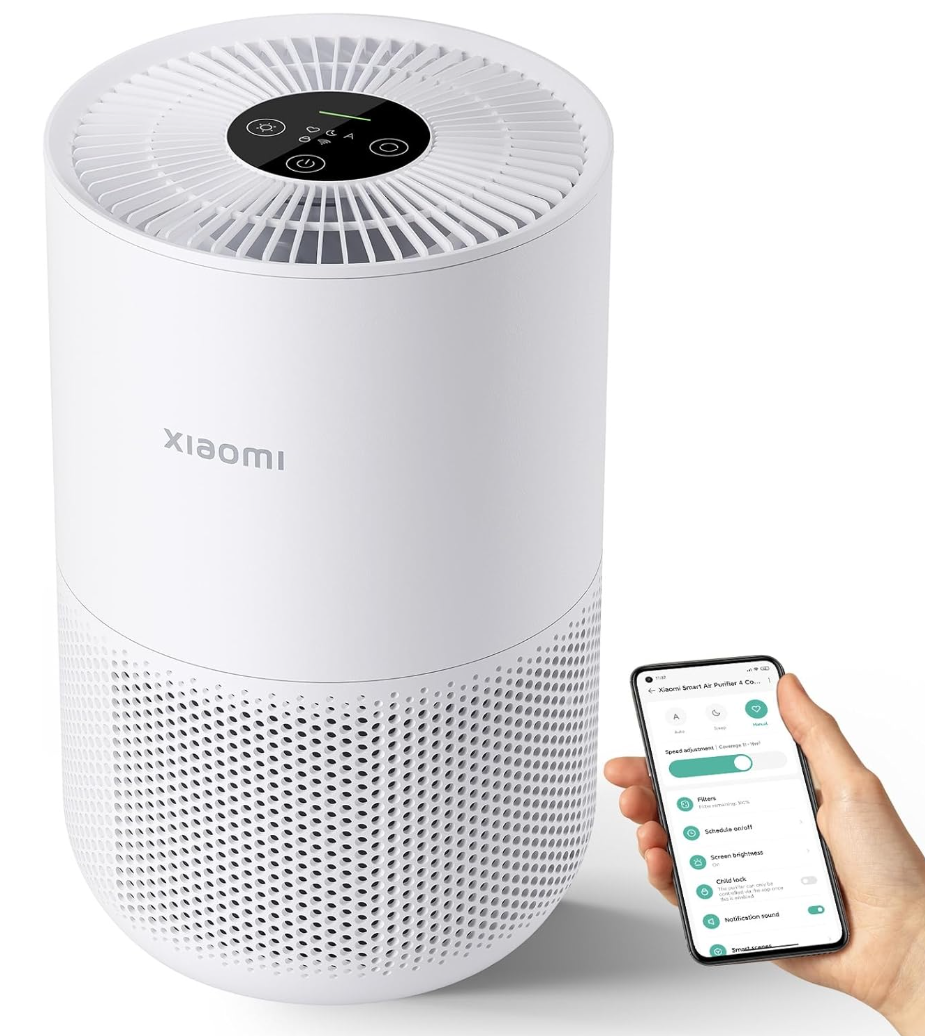
| Xiaomi Mi Air Purifier 4 Compact | Best Budget | Typical price: ~£150 | 4.5 | 32dB | 48m² |
Pros & Cons
Pros
- ✓ Air purifiers remove 99.97% of particles — plants remove negligible amounts
- ✓ Purifiers work in minutes; plant VOC removal would take weeks for trace effect
- ✓ HEPA filters capture allergens, dust, mould, and PM2.5 that plants cannot touch
- ✓ Air purifiers require no sunlight, watering, or gardening expertise
Cons
- ✗ Air purifiers have ongoing filter costs — plants are self-sustaining
- ✗ Plants provide proven psychological and mood benefits a purifier doesn't
- ✗ Purifiers don't produce oxygen or add natural humidity like plants
Frequently Asked Questions
Conclusion
The science is clear: houseplants cannot meaningfully clean your indoor air. The NASA study, while fascinating, doesn't apply to real-world home conditions. Enjoy your plants for their genuine benefits — mood, aesthetics, and wellbeing — but don't expect them to remove pollutants.
For actual air quality improvement, a HEPA air purifier is the only reliable solution. The Levoit Core 300S offers the best combination of performance and value. See our full UK guide for more options.
Don't Forget Your Filters
Air purifiers only work if the filters are replaced regularly. Most people forget — and end up breathing dirty air.
Join the Filter Club